
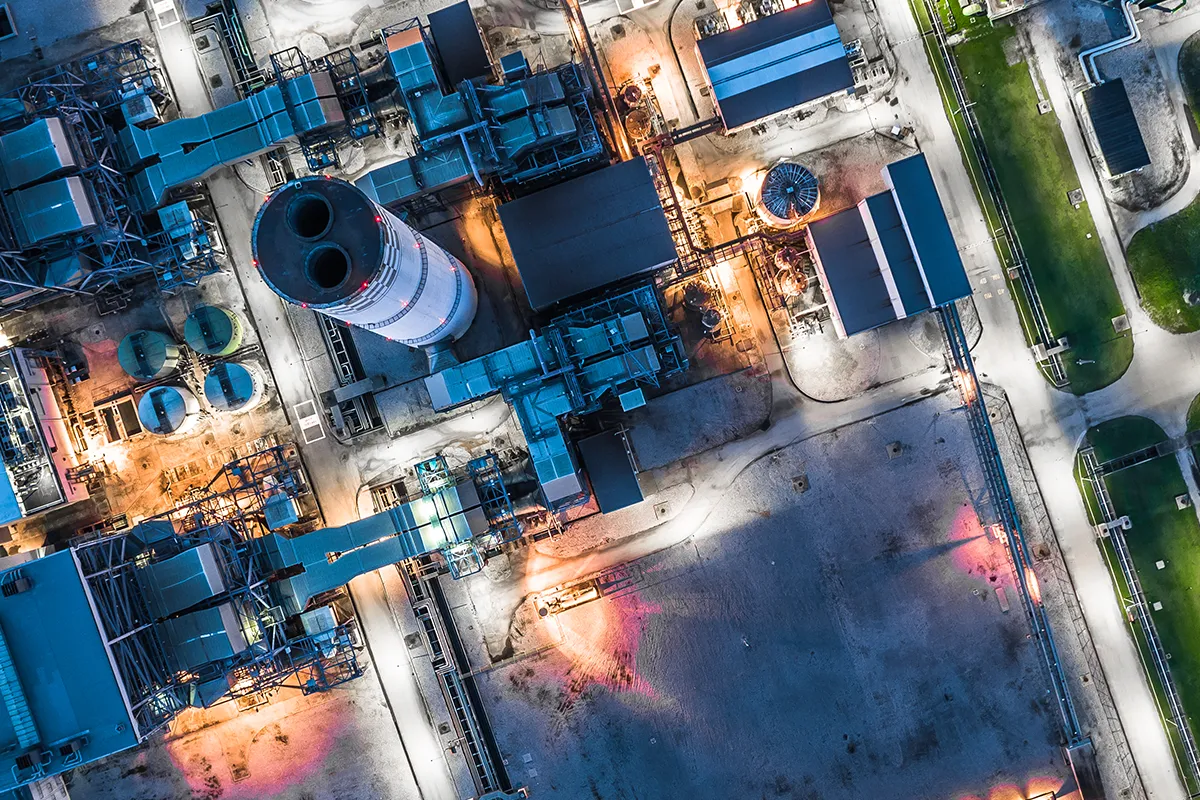
District Energy Systems Designed for Performance, Resilience, and Growth
District energy systems, including steam distribution, operate in complex, mission-critical environments where reliability and long-term adaptability matter. Tri-Mont supports district energy projects from planning through commissioning—helping organizations modernize infrastructure, improve resilience, and maintain reliable operation as systems evolve.
What District Energy Projects Must Address
District energy projects operate in live, mission-critical environments where downtime, inefficiency, or missteps can affect entire campuses, districts, or communities. Modernization efforts must balance reliability, cost, emissions reduction, and regulatory pressure—often while systems remain in service.
Project teams are frequently required to manage challenges including:
- Aging infrastructure requiring phased modernization
- Pressure to improve efficiency while controlling operating costs
- Reliability demands in mission-critical environments
- Limited internal engineering capacity for complex system upgrades
- Coordinating construction and upgrades within active systems
Addressing these challenges requires disciplined engineering informed by how district energy systems—particularly steam and thermal distribution networks—are actually built, interconnected, and operated. From feasibility through operations, TRI-MONT supports district energy projects with a focus on safety, compliance, and long-term system performance.
District Energy Capabilities
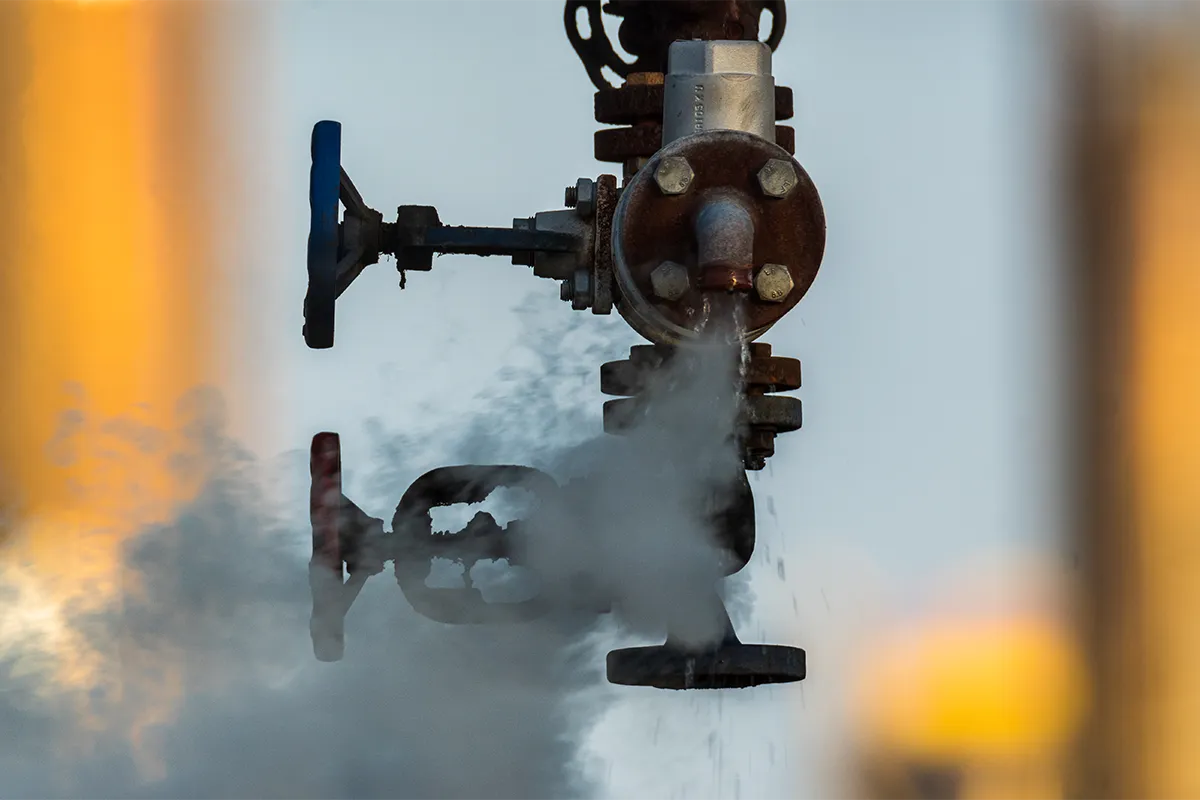
Thermal Distribution Systems
Steam distribution systems are a critical—and highly specialized—component of many district energy networks, with unique challenges related to pressure management, condensate handling, thermal stress, and long-term reliability. Alongside steam, district energy systems often include hot water, chilled water, and condensate networks that must operate together safely and efficiently across varied loads and operating conditions.
Capabilities include:
- Distribution network design
- Pipe stress and heat transfer analysis
- Pressure regulation and condensate recovery
- Flow modeling and system optimization

Central Energy Plants
Central plants must support reliable service today while remaining adaptable to future fuel mixes, load changes, and decarbonization requirements. Design and upgrade decisions directly affect efficiency, resilience, and lifecycle cost.
Capabilities include:
- Central plant engineering and upgrades
- Steam-to-hot-water conversions
- Electric boilers, geothermal, and waste heat recovery
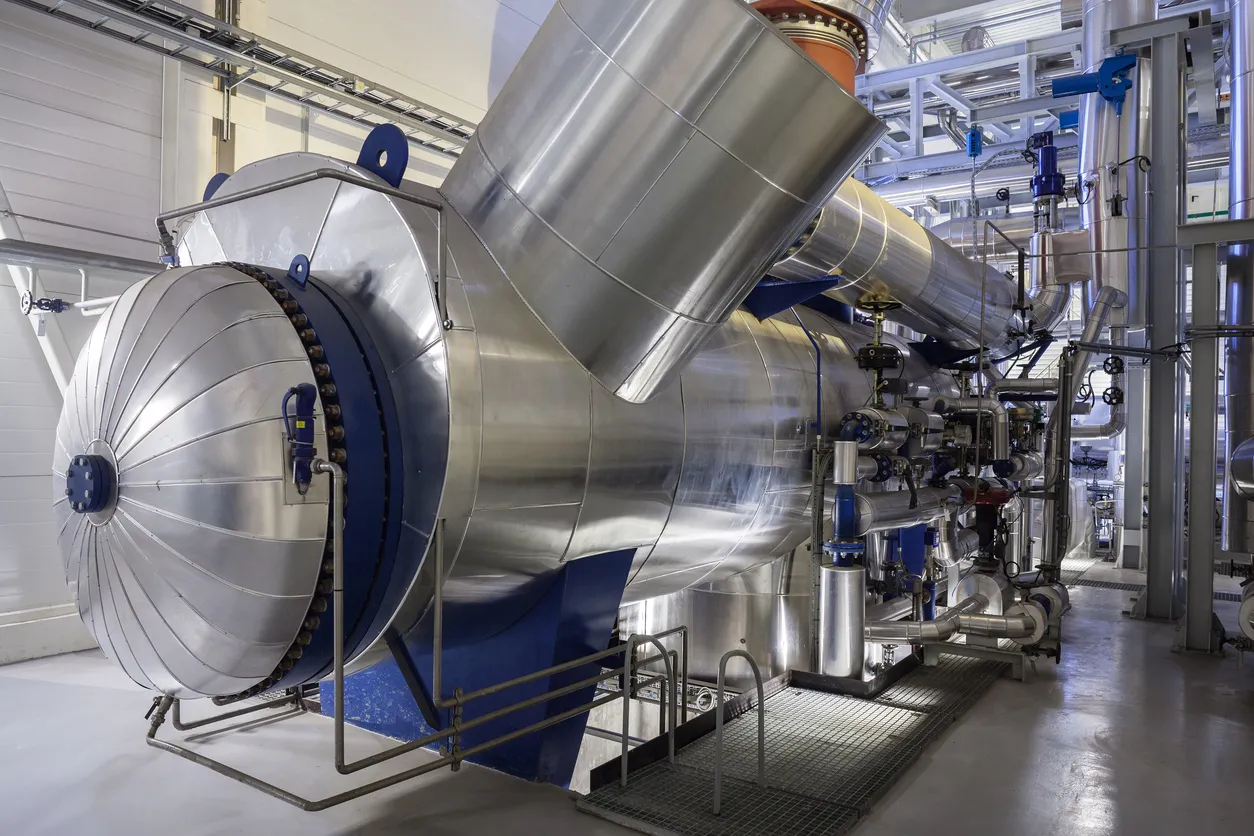
Cogeneration (CHP)
Cogeneration systems improve overall efficiency by capturing and reusing waste heat from electricity generation. When properly designed, CHP systems reduce fuel consumption, lower emissions, and provide reliable on-site power for campuses, districts, and industrial facilities.
Well-designed CHP systems can increase overall efficiency from typical levels of 40–50% to 70–85%, while reducing fuel use and greenhouse gas emissions by up to 50%.
Our CHP capabilities include:
- Feasibility and lifecycle cost analysis
- Gas turbine and reciprocating engine systems
- Industrial heat pump integration
- Central plant and distributed energy system design
- Repowering and upgrades to existing facilities
- Electrical and thermal integration with campus and district networks
- Reliability, redundancy, and operational planning
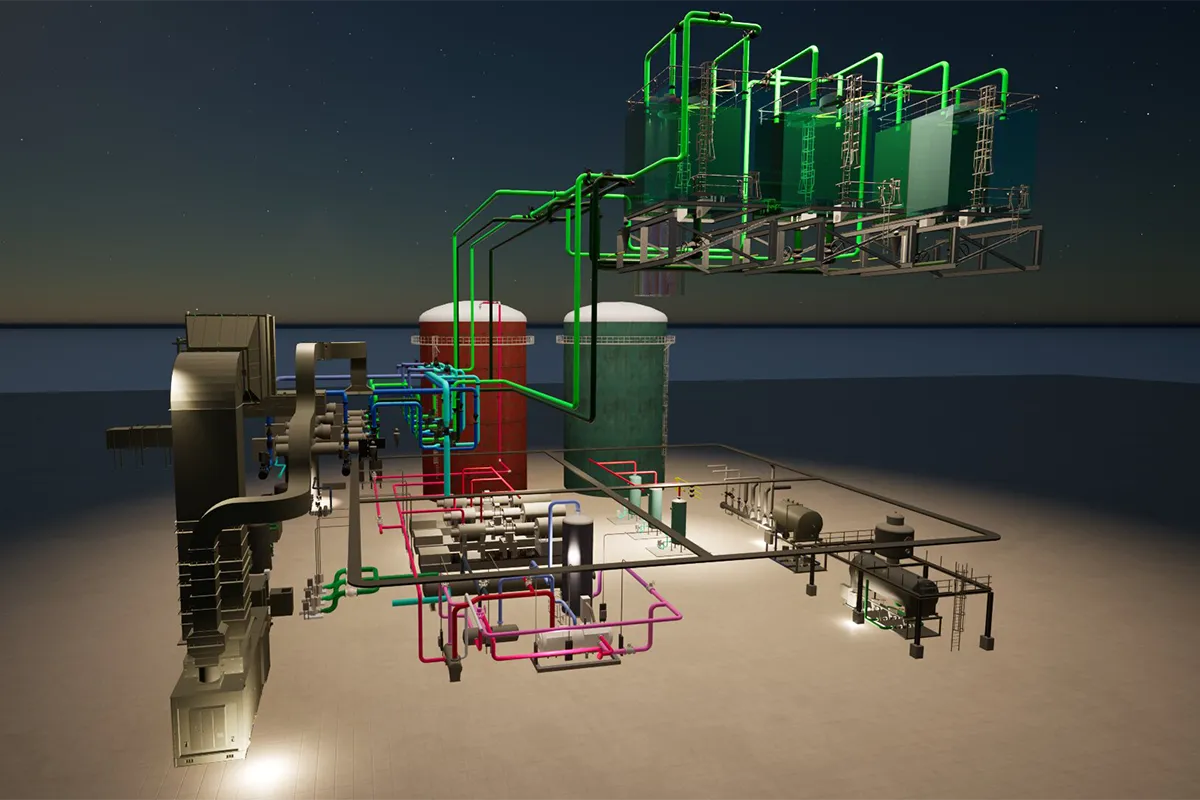
Combined Cooling, Heating, and Power (CCHP / Trigeneration)
Trigeneration systems expand on CHP by using recovered thermal energy to produce cooling, enabling simultaneous electricity, heating, and chilled water generation. These systems support operational flexibility while advancing electrification and long-term decarbonization goals.
Hybrid trigeneration configurations using absorption chillers, high-efficiency heat pumps, and electric boilers can achieve up to 85% overall efficiency, reduce peak electric demand, eliminate harmful refrigerants, and support pathways toward net-zero operations.
Our CCHP capabilities include:
- Trigeneration feasibility and optimization studies
- Absorption chiller integration
- High-efficiency heat pump systems
- Electric boiler and thermal energy storage (TES) integration
- Hybrid system configurations for electrification and load balancing
- Peak demand reduction and grid-interactive system design
- Applications for campuses, hospitals, data centers, and industrial facilities

Resilience & Decarbonization Compliance
District energy systems must meet evolving regulatory requirements while maintaining resilience and operational continuity. Compliance planning can also unlock funding opportunities when addressed early and integrated into system design.
Capabilities include:
- Microgrid integration and islanding
- Thermal energy storage
- BERDO, BEUDO, and Clean Peak Standard compliance
- Incentive and funding support